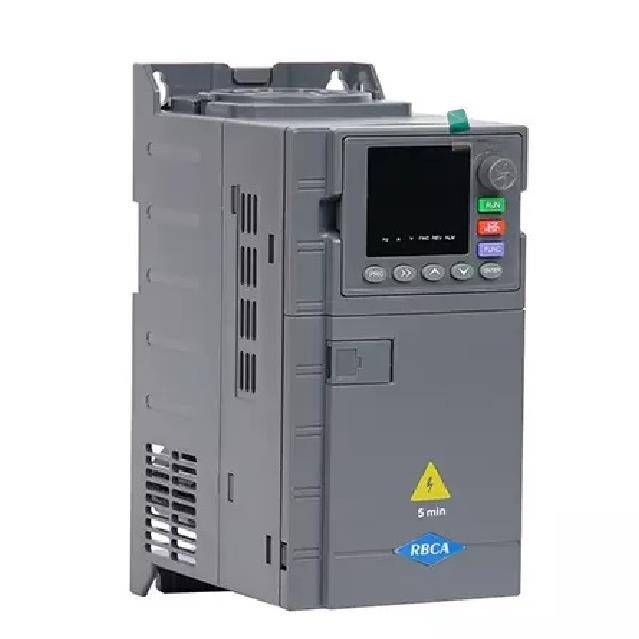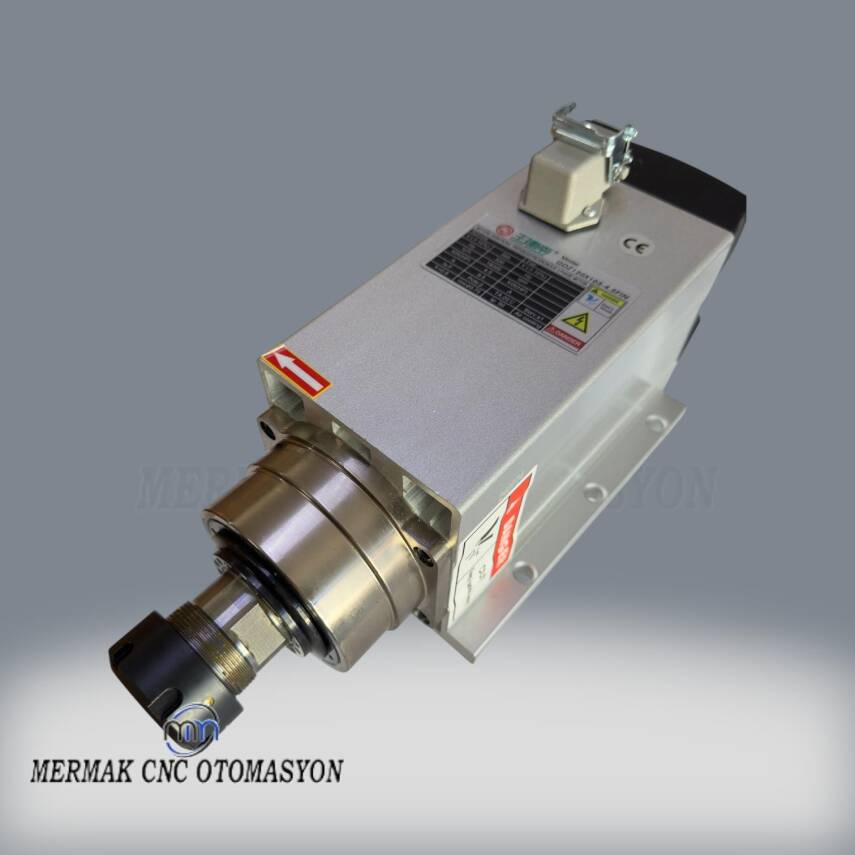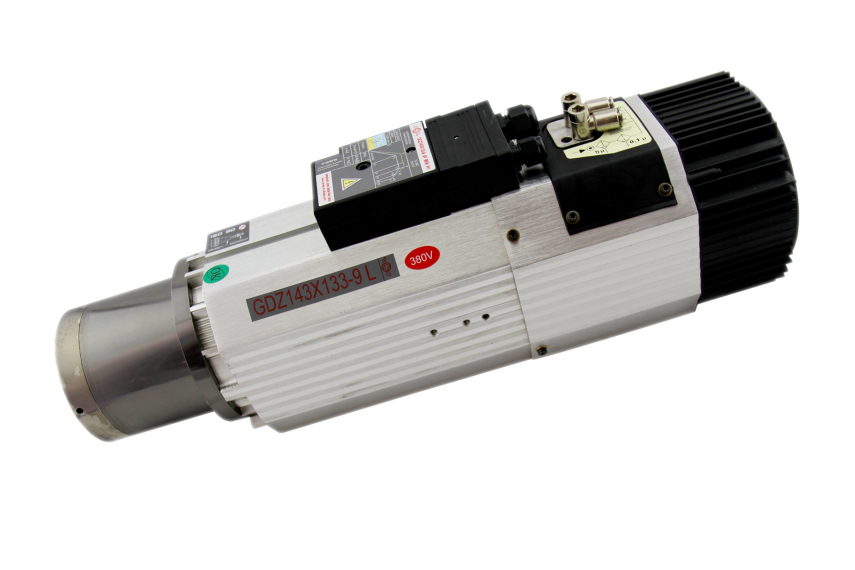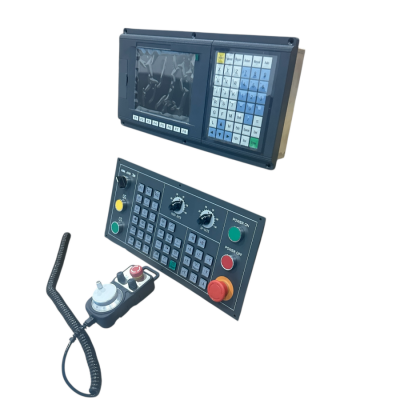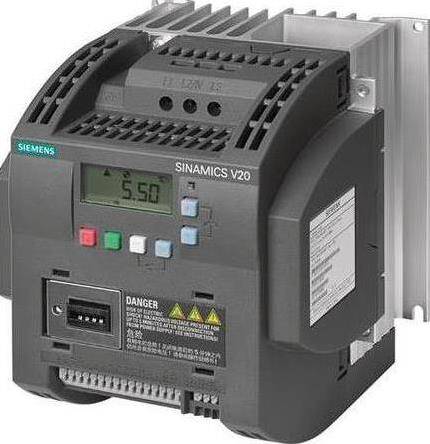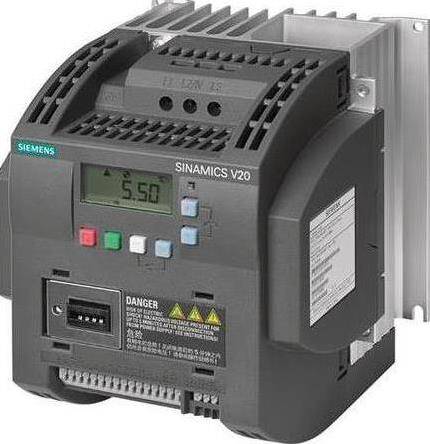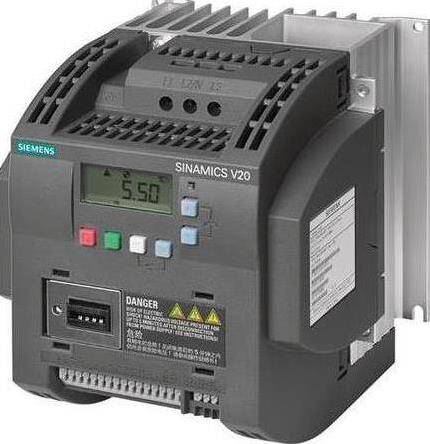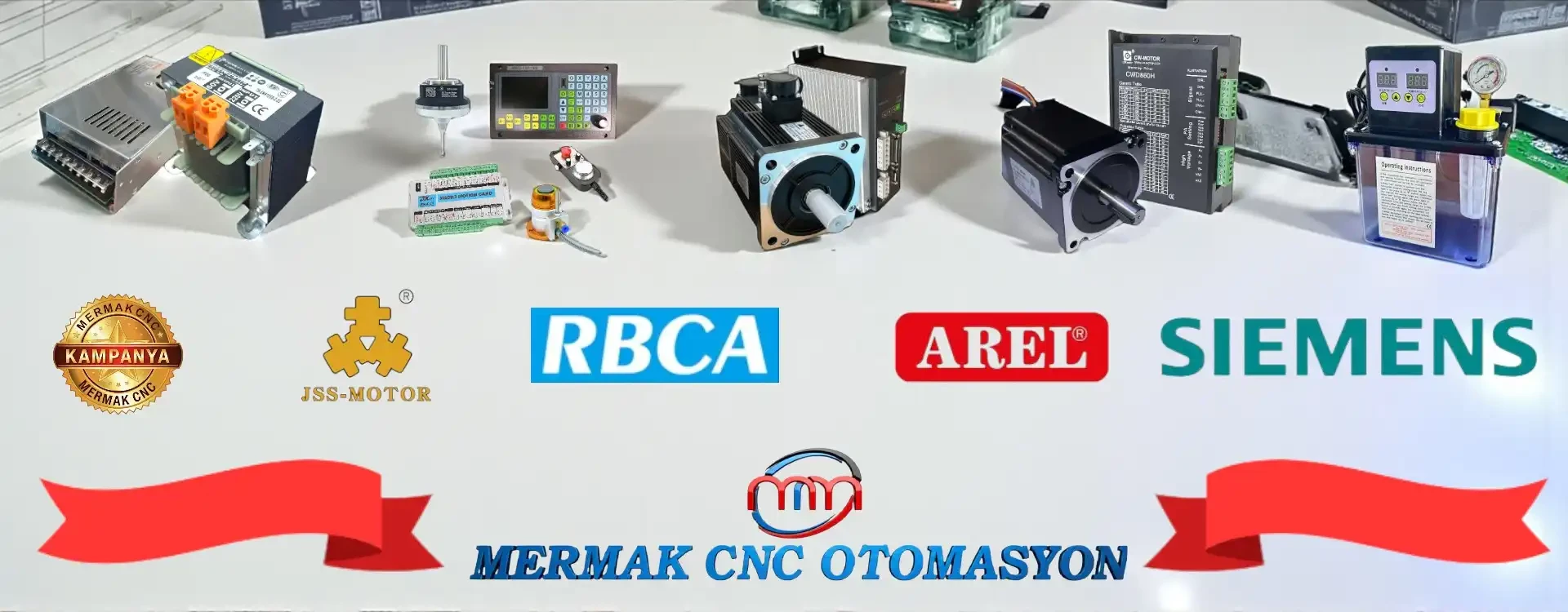
A speed control device inverter, also known as a Variable Frequency Drive (VFD), is an electronic power conversion device that controls the speed and torque of AC electric motors by adjusting the frequency and voltage of the power supplied to them. It is extensively utilized in various industrial applications to optimize energy consumption, improve process control, and extend machinery lifespan.
A Variable Frequency Drive (VFD), often referred to as an inverter or AC drive, represents a cornerstone in modern industrial automation, providing precise control over the rotational speed of AC electric motors. Unlike conventional motor starters that operate motors at a fixed speed, VFDs modulate the frequency and voltage of the electrical power supplied to the motor, enabling smooth, continuous, and highly accurate speed adjustments. This capability is vital for optimizing diverse industrial processes, significantly reducing energy consumption, and minimizing mechanical wear and tear on equipment. The fundamental operation of a VFD involves converting the incoming fixed-frequency AC power into DC power, which is then reconverted into variable frequency and variable voltage AC power using advanced semiconductor switches, such as Insulated Gate Bipolar Transistors (IGBTs). This sophisticated power conversion and control mechanism allows for unparalleled operational advantages, including substantial energy savings, enhanced process accuracy, improved product quality, and extended equipment longevity, making VFDs indispensable components in virtually all modern manufacturing and control systems.
The operational principle of a VFD is systematically structured into three main stages: the rectifier, the DC bus, and the inverter section. Initially, the fixed-frequency, fixed-voltage AC power from the mains supply enters the rectifier stage, where it is converted into pulsating DC voltage. This is typically achieved using a bridge rectifier composed of diodes. Following rectification, the pulsating DC voltage flows into the DC bus, which functions as a filtering and smoothing stage. Capacitors and sometimes inductors within the DC bus effectively smooth out the ripples in the DC voltage, creating a stable and constant DC link. This stable DC voltage then proceeds to the inverter section, which is arguably the most critical part of the VFD. Here, high-speed switching devices, predominantly IGBTs, rapidly switch the DC voltage on and off to synthesize a variable frequency and variable voltage AC output. This process is precisely controlled using Pulse Width Modulation (PWM) techniques, where the width and frequency of the output pulses are meticulously adjusted to create a near-sinusoidal AC waveform. By varying the frequency of these output pulses, the VFD precisely controls the motor's speed, while simultaneously adjusting the voltage ensures efficient motor operation and prevents magnetic saturation, thereby providing comprehensive and dynamic control over motor performance.
The strategic implementation of speed control inverters yields a multitude of significant advantages that profoundly enhance industrial operations and profitability. A primary benefit is the substantial energy savings achieved by allowing motors to operate at speeds precisely matched to the actual load requirements. This eliminates the considerable energy waste associated with motors running at full speed when not necessary, leading to significant reductions in electricity consumption, particularly prevalent in variable torque applications such as pumps and fans. Secondly, VFDs deliver superior process control, enabling extremely precise regulation of critical parameters like flow rates, pressures, temperatures, and production speeds, which directly contributes to improved product quality and consistency. They also facilitate soft starting and stopping of motors, gradually ramping up or down the speed. This gentle acceleration and deceleration significantly reduces mechanical stress on motors, gearboxes, belts, and other connected equipment, thereby extending their operational lifespan and substantially minimizing maintenance costs and downtime. Furthermore, inverters can enhance the power factor of the electrical system, reducing reactive power and improving overall grid efficiency. The seamless integration of VFDs into modern automation networks also allows for advanced diagnostics, remote monitoring, and sophisticated control strategies, further optimizing operational efficiency and system reliability.
Variable Frequency Drives (VFDs) are highly versatile devices, finding widespread and critical applications across virtually every industrial sector due to their unparalleled ability to optimize motor performance, enhance energy efficiency, and improve process control. In the HVAC (Heating, Ventilation, and Air Conditioning) industry, VFDs are indispensable for controlling fans, blowers, and pumps, allowing systems to deliver only the required airflow or fluid volume, which results in massive energy savings and improved comfort. They are crucial components in material handling systems such as conveyors, hoists, and cranes, where precise speed and torque control ensure smooth product flow, prevent damage, and enhance safety. Water and wastewater treatment plants heavily rely on VFDs for controlling pumps, mixers, and aerators, enabling efficient management of water flow, pressure, and chemical dosing processes. In manufacturing and production environments, VFDs are integral to CNC machines, extruders, mixers, winders, and textile machinery, providing the accurate speed and torque control necessary for intricate operations, high-quality output, and increased throughput. Furthermore, elevators and escalators utilize VFDs for smooth acceleration, deceleration, and precise leveling, significantly enhancing passenger comfort and safety. From oil and gas exploration to food and beverage processing, the adaptability, efficiency, and control capabilities of VFDs make them a fundamental technology for modern industrial automation.

Choosing the appropriate speed control inverter is a critical decision that directly impacts system efficiency, operational longevity, and the achievement of desired production outcomes. Several key factors must be meticulously evaluated during the selection process to ensure compatibility and optimal performance. Firstly, the precise characteristics of the motor, including its type (e.g., induction, permanent magnet, synchronous), nominal power rating (kW/HP), voltage, and current, are paramount for proper sizing and compatibility. The specific application type also plays a significant role; for instance, variable torque applications like centrifugal fans and pumps have different VFD requirements compared to constant torque applications such as conveyors, extruders, or mixers. Environmental conditions, including ambient temperature, humidity levels, and the potential presence of dust, moisture, or corrosive agents, dictate the necessary enclosure protection (IP rating) for the inverter. Additionally, considering specific advanced features such as braking capabilities (e.g., dynamic braking resistors for rapid deceleration), required communication protocols (e.g., Modbus, Profibus, Ethernet/IP) for seamless integration into existing control systems, and advanced control modes (e.g., vector control, sensorless vector control) will significantly influence the inverter's overall performance, versatility, and cost-effectiveness. Engaging with experienced automation specialists like MERMAK CNC is highly recommended to navigate these complexities and ensure the selection of an inverter perfectly tailored to your unique operational requirements.
Ensuring the reliable and efficient operation of speed control inverters hinges on meticulous installation, precise configuration, and diligent ongoing maintenance. During the installation phase, it is absolutely crucial to strictly adhere to manufacturer guidelines for proper wiring, grounding, and shielding to prevent electromagnetic interference (EMI) and guarantee operational safety. Adequate cooling and ventilation for the VFD enclosure are paramount to effectively dissipate heat generated during operation and prevent overheating, which can drastically reduce the device's lifespan and lead to premature failure. Configuration involves accurately setting numerous parameters such as motor data (rated power, voltage, current, RPM), acceleration and deceleration times, maximum and minimum operating speeds, and selecting appropriate control modes (e.g., V/F control for general applications, vector control for high-performance needs) to precisely match the specific application requirements. Regular preventative maintenance, which includes periodic cleaning of cooling fans and heatsinks to ensure proper airflow, systematically checking all electrical connections for tightness, and continuously monitoring for any unusual noises, vibrations, or error codes, is essential for identifying potential issues proactively before they escalate into costly downtime. Furthermore, keeping the VFD's firmware updated and regularly backing up parameter settings are highly recommended practices to safeguard against data loss and leverage the latest performance enhancements. Adhering to these comprehensive best practices will significantly extend the operational life of your VFD, maintain optimal performance efficiency, and minimize unforeseen operational disruptions, thereby ensuring a robust, reliable, and highly efficient motor control system.
At MERMAK CNC, we deeply understand that precision, reliability, and efficiency are not just expectations but fundamental requirements in the dynamic world of industrial automation. Our extensive range of speed control inverters represents the pinnacle of engineering excellence, meticulously designed to seamlessly integrate with your existing systems and significantly elevate your operational capabilities. We proudly offer state-of-the-art VFD solutions that are expertly tailored for a diverse array of applications, from enhancing the intricate and precise movements of advanced CNC machinery to optimizing the performance and energy consumption of industrial pumps, fans, and complex conveyor systems. What truly distinguishes MERMAK CNC is our unwavering commitment to delivering not just superior products, but comprehensive automation advantages. Our team of highly skilled and experienced experts provides unparalleled technical support, guiding you through every stage from initial selection and precise installation to meticulous optimization, ensuring that you fully harness the immense potential of your investment. We take immense pride in our robust international sales network, which enables us to provide high-quality, reliable, and cutting-edge inverter solutions to businesses across the globe, all backed by extensive industry experience, proven performance, and an unwavering dedication to customer satisfaction. For detailed information, bespoke custom solutions, and to personally experience the transformative MERMAK CNC difference in automation technology, we invite you to contact us via WhatsApp at +905346585401. Let MERMAK CNC empower your operations with intelligent, efficient, and highly precise speed control solutions.
A Variable Frequency Drive (VFD), often also called an inverter, is a type of motor controller that drives an electric motor by varying the frequency and voltage of its power supply. It provides precise control over the speed and torque of AC electric motors, leading to enhanced process control, improved energy efficiency, and reduced mechanical stress on machinery.
A VFD typically works in three main stages: first, a rectifier converts the incoming AC power to DC power; second, a DC bus smooths and stores this DC power; and third, an inverter section (using Insulated Gate Bipolar Transistors or IGBTs) converts the DC power back into AC power at a variable frequency and voltage. This variable output directly controls the motor's speed and torque.
The main advantages of using a VFD include significant energy savings (especially for variable torque loads like pumps and fans), precise control over motor speed and acceleration/deceleration, reduced mechanical shock on equipment during startup and shutdown, improved process quality, and enhanced motor protection through various fault monitoring features.
VFDs are extensively used across a wide range of industries. Common applications include controlling pumps, fans, compressors, conveyors, mixers, HVAC systems, and machine tools. They are found in manufacturing, water and wastewater treatment, oil and gas, food and beverage, mining, and building automation sectors, wherever precise motor control and energy efficiency are critical.
VFDs are primarily designed to control three-phase AC induction motors, which are the most common industrial motor type. However, modern VFD technology has expanded to also control permanent magnet synchronous motors (PMSM), AC synchronous motors, and in some specialized cases, even single-phase AC motors (though this often requires specific VFD models and considerations).
VFDs achieve energy savings by adjusting the motor's speed to match the actual load requirements, rather than running at full speed constantly. For centrifugal loads (like pumps and fans), power consumption is proportional to the cube of the speed. This means a small reduction in speed can lead to substantial energy savings, directly translating into lower operating costs and a reduced carbon footprint.
Key factors for VFD selection include the motor's horsepower and voltage, the application type (constant torque, variable torque), environmental conditions (temperature, humidity, dust, altitude), required control features (e.g., PID control, braking, communication protocols), input power quality, potential for harmonic distortion, and necessary protective features.
While often used interchangeably, especially in motor control, there is a technical distinction. An "inverter" specifically refers to the power electronic circuit within a VFD that converts DC power into variable frequency AC power. A "VFD" is the complete system, encompassing the rectifier, DC bus, control logic, and the inverter section, all working together to control motor speed and torque.
VFDs provide comprehensive protection for motors and machinery. These features include overcurrent protection, undervoltage/overvoltage protection, motor overload protection (I²t), overtemperature protection, phase loss detection, and short-circuit protection. By enabling smooth acceleration and deceleration, VFDs also reduce mechanical wear and tear on gearboxes, couplings, and belts.
While most VFDs are designed for three-phase input and three-phase output to control three-phase motors, specialized VFDs exist that can take a single-phase input and provide a three-phase output for small to medium horsepower three-phase motors. Some specific VFDs are also designed to directly control single-phase motors, though this is less common for industrial applications and may have performance limitations.
Many VFDs include built-in PID control functionality. This allows the VFD to act as a closed-loop controller, maintaining a specific process variable (e.g., pressure, flow, temperature, level) at a desired setpoint. The VFD receives feedback from a sensor, calculates the error, and adjusts the motor speed accordingly to minimize that error, thereby optimizing process stability and efficiency.
Basic VFD troubleshooting usually involves checking input power voltage and phases, verifying motor wiring and insulation integrity, inspecting control wiring for loose connections, confirming correct VFD parameter settings (motor data, application type), ensuring proper cooling (fan operation, clear vents), and consulting the VFD's display for any fault codes or error messages to pinpoint the specific problem.
Regenerative braking is an advanced feature in some VFDs that allows the motor to act as a generator when it's decelerating or being driven by an overhauling load (e.g., a descending elevator). Instead of dissipating this excess kinetic energy as heat through braking resistors, a regenerative VFD converts it back into electrical energy and feeds it back into the power grid, leading to significant energy savings and reduced thermal load.
The typical operational lifespan of a VFD ranges from 7 to 10 years, and potentially up to 15 years, depending on several critical factors. These include environmental conditions (especially ambient temperature, humidity, and dust), the severity of the load cycles, quality of installation, and adherence to recommended maintenance schedules (e.g., cleaning, capacitor checks, fan replacement). High temperatures are particularly detrimental to the lifespan of internal electronic components.
 TR − TL